


A recent study by IBM states that 44% of organizations have adopted AI technology, and 35% are embedding AI-enabled technology into their current applications and processes.
Telco, a retail brand in the US, has been using AI (Artificial intelligence) in various departments, including their people function. For example, Smith, an associate at a Telco mall store, begins his day by logging into his system; he receives a congratulatory note. This AI-based appreciation system recognized Smith’s high-quality interaction with customers the previous day. Not just that, AI also can detect Smith’s underperformance in some areas. According to that, the system sends push notifications to Smith pointing to coaching resources specifically related to enhancing performance metrics in areas he lacks. These are some ways AI technology is changing how we engage with employees.
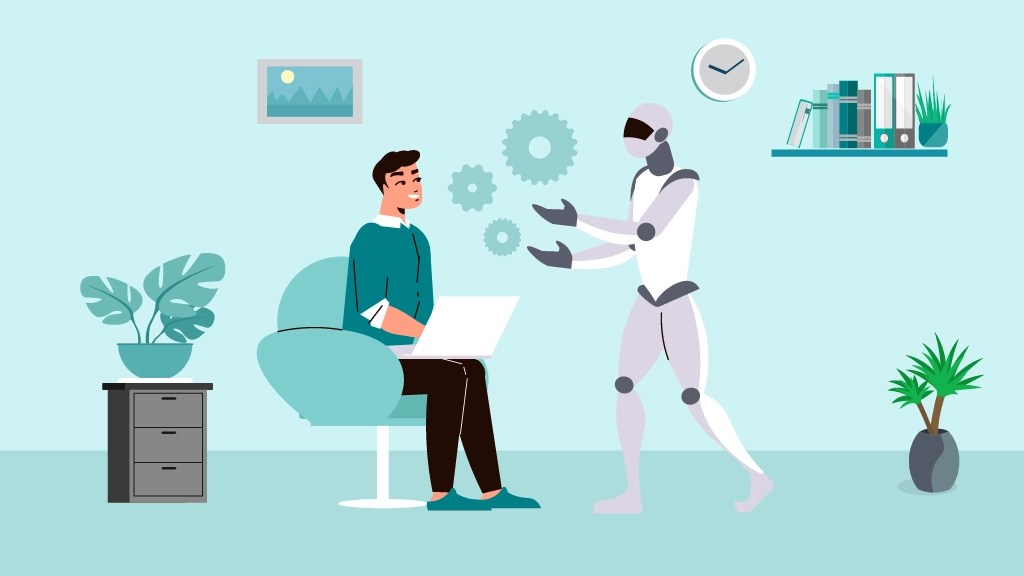
Various companies around the world are leveraging AI chatbot technology. In India, many companies have also inducted AI chatbots to enhance their employee experience.
One of the largest NBFC (Non-Banking Financial Company) firms in India inducted an AI Chatbot in 2021. That was the time when people were facing the wrath of the second wave of COVID-19 in India. The company used the AI chatbot to collect data on how many employees are infected with the virus. It also assesed what kind of assistance they need in a crisis. This data was utilized by the internal task force team at the firm, and required arrangements such as beds, medicines, and oxygen cylinders were made. Since it was difficult and quite time-consuming to tap into a large workforce through manual processes, the AI chatbot helped the company to provide help to its employees, that too, in time.
This is one way in which AI is helping organizations give a better employee experience. Twenty years back, we could not have even imagined such a technology.
Welcome to the AI-powered workplace of tomorrow
AI is disrupting various HR processes
How is AI transforming HR processes?
AI is transforming various facets of HR, from hiring to onboarding, employee engagement, learning & development, and many more. Since most HR processes are interrelated to an employee’s overall experience, we must understand all areas in which AI technology enhances the EX.
1. Engagement Analytics
As mentioned in the example above, AI and predictive analytics technology can help HRs mine, collect and analyze intensive data. Further, AI provides actionable data and suggestions that can address various workforce-related issues well in time. For example, AI technologies can help HR gauge employees’ emotions through AI-enabled nudges. They can also predict people’s moods by analyzing their e-mails. All these features help organizations understand which teams need to be more engaged and give insights into why they are not engaged.
2. Employee Wellness
Post-pandemic, emphasis on employee well-being has intensified, and organizations have shown genuine concern for their employee’s health. With this, Steven, a senior HR professional, also needed to run a well-being program in his company. He decided to take technology’s help. Steven arranged for AI-enabled smartwatches and other wearables for his team. This helped Steven to collect various data points related to the health of his employees. It allowed him to analyze heart rate, step counts, count of calories burned, and much more. These data points enabled Steven to develop a customized employee wellness program.
Also Read: Employee Mental Wellness: What More Needs To Be Done?
3. Learning & Development
Learning management platforms are now embedded with AI-powered search engines. These help employees get personalized learning content relevant to every employee’s needs and requirements. For instance, Duke, a customer service professional, gets customized recommendations from the learning system implemented by his employer. In addition, the system provides valuable and relevant online content for Duke to enhance his capabilities.
4. Performance management
Performance management has always been a critical process that can make or break employees’ sentiments in organizations. AI-enabled performance management software can be integrated within the company’s R&R systems. It can analyze the employee’s performance metrics and give actionable recommendations or insights to improve and even recognize good performance. These performance metrics merged within the company’s rewards and recognition (R&R) strategy result in prompt appreciation of the employees performance.
5. Diversity and Inclusion (D&I) Goals
Various companies have diversity and inclusion goals to meet. For example, Nancy, an experienced recruiter, was mandated to increase the representation of underrepresented communities in the company. After a deep analysis, she realized there were some groups, as per race, ethnicity, and gender. And they were underrepresented in the organization. In addition, it was observed that many recruiters had biases when they were shortlisting resumes. This made Nancy convince her company to install an AI-enabled recruiting system. This helped the organization shortlist thousands of resumes in no time for various vacancies from diverse backgrounds. A diverse workforce adds colors to the company’s overall culture and enhances the employer brand.
From job descriptions written manually, we are now in an era where we have an open AI like ChatGPT, which can write job descriptions for us. AI technology can potentially reshape the workplace of our future. We can observe, learn and imbibe the impact of AI on our professional life and expectations.
Explore how Advantage Club creates a Global platform for Employee Engagement, Recognition and Communities.
You may also like
Bookmark
7 Thoughtful Ways to Celebrate Ramadan at Work
Bookmark
Monetary vs Non-Monetary Rewards: What’s the Difference?
Bookmark
4th of July Messages for Employees: Celebrating Independence Together
Bookmark
How to Recognize Frontline Employees: Simple and Effective Appreciation Strategies


